
Finding steadiness while living with the uncertainty of chronic illness.
Therapy for Chronic Illness in Houston and Across Texas
A space to process uncertainty, grief, and overwhelm — with therapy in The Heights and online throughout Texas.
Living with chronic illness is not just a medical experience — it’s an emotional one.
You may be navigating unpredictable symptoms, medical appointments, shifting energy levels, and a body that no longer feels fully reliable.
Plans change. Capacity fluctuates.
You may look “fine” on the outside while internally managing pain, fatigue, dizziness, or brain fog.
Chronic illness often creates invisible stressors:
• The grief of losing how things used to be
• The anxiety of not knowing what your body will do tomorrow
• The frustration of feeling misunderstood
• The pressure to function as if nothing has changed
Over time, your nervous system may stay in a state of vigilance — constantly monitoring symptoms, anticipating flare-ups, or bracing for the next disruption.





Does This Feel Familiar?
Chronic illness doesn’t only impact your physical health — it can quietly reshape your emotions, relationships, and sense of stability. Below are experiences many people report while navigating ongoing health conditions. If any of this resonates with you, you are not alone.
Why Chronic Illness Impacts Mental Health Differently
Chronic illness isn’t just medical — it’s unpredictable, invisible, and ongoing.
One week you may feel functional. The next, you may not.
That fluctuation can create a constant internal question:
“Can I trust my body today?”
You might also notice thoughts like:
• “I should be handling this better.”
• “I look fine, so maybe I’m overreacting.”
• “No one really sees what this takes.”
Alongside this is often grief — not just for physical ability, but for identity, roles, and the life you imagined.
Therapy gives space for that reality without minimizing it or trying to fix it away.

How Therapy for Chronic Illness Can Help
In our work together, we support both emotional and practical coping.
We may focus on:
• Processing grief and identity changes
• Managing anxiety around symptoms and uncertainty
• Building pacing strategies to reduce burnout cycles
• Strengthening self-compassion and reducing guilt
• Navigating communication with providers and loved ones
• Processing medical trauma or dismissal experiences
• Reconnecting with meaning and values
My approach may include CBT, mindfulness-based strategies, and values-based work — always paced to your nervous system and capacity.

Finding A Life That Feels Like Yours Again
Living with chronic illness may still be unpredictable — but it can feel more manageable.
Over time, you may notice:
• Less guilt around rest
• More trust in your body’s signals
• Clearer boundaries around energy
• Less emotional spiraling after flare-ups
• More honesty about your needs
• A sense of identity beyond your diagnosis
• More space for meaning and connection
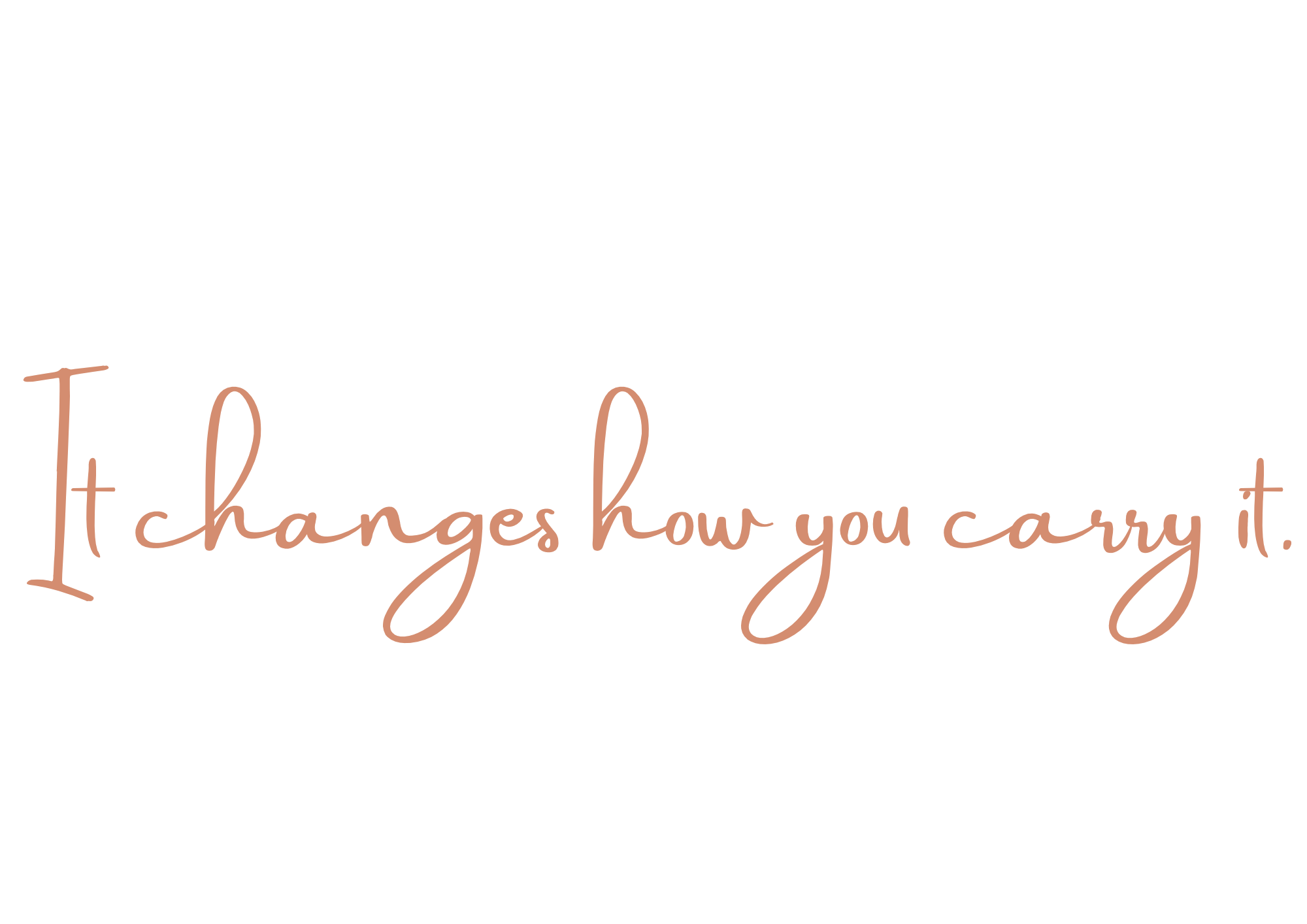
Therapy doesn’t change your diagnosis.


You Don’t Have to Navigate This Alone
Living with chronic illness can feel isolating, especially when so much of what you carry is invisible to others. Therapy offers space to feel understood, supported, and more connected to yourself within the realities of your experience.
Frequently Asked Questions about Therapy for Chronic Illness
-
Yes. Therapy does not treat the medical condition itself, but it can help you cope with the emotional, relational, and identity impacts of living with chronic illness.
-
Online therapy reduces the stress of commuting and allows flexibility during flare-ups, making it especially helpful for people managing ongoing symptoms.
-
Not at all. You don’t need a diagnosis to start therapy. Whether you’re dealing with unexplained symptoms, navigating a recent diagnosis, or processing the long-term impact of illness, you’re welcome here.
-
Therapy doesn’t aim to “fix” your diagnosis. Instead, it creates space to process the emotional weight of living with chronic illness — grief, identity shifts, anxiety, frustration, and isolation. Together, we focus on building steadiness, self-trust, and a life that feels meaningful within your current reality.
-
Yes. We can work on coping tools, pacing strategies, and ways to reduce anticipatory anxiety while also addressing the deeper emotional impact of unpredictability.
“You are allowed to be both a masterpiece and a work in progress, simultaneously.”
— Sophia Bush